
Holistic Parenting: Raising Healthy, Happy Kids Inside and Out Leave a comment
Parenting is one of the most important and challenging roles we’ll ever take on. We all want our children to grow up healthy, happy, and well-rounded. But what if there was an approach that looked at the whole child, their body, mind, emotions, and environment, rather than focusing on just one part of their development?
That’s where holistic parenting comes in.
What Is Holistic Parenting?
Holistic parenting is about seeing your child as a complete person—not just meeting their physical needs, but also nurturing their emotional, mental, and spiritual well-being. It’s an approach that blends healthy living, conscious parenting choices, and a connection to the natural world.
Think of it as creating a lifestyle where every choice supports your child’s overall growth, from the food they eat to the activities they do, to the way they process big feelings.
The Core Principles of Holistic Parenting
1. Nourishment from the Inside Out
Food is fuel for both body and brain. Holistic parenting prioritizes wholesome, minimally processed foods, encouraging children to enjoy fruits, veggies, whole grains, and balanced snacks.
Example: Instead of only saying “Eat your vegetables,” explain how carrots help eyesight or how berries give your body superpowers.
2. Mindful Communication
It’s not just what you say, it’s how you say it. Holistic parenting emphasizes listening to your child’s thoughts and feelings, validating their emotions, and encouraging problem-solving skills.
Example: Instead of “Stop crying,” try “I see you’re upset. Can you tell me what’s bothering you?”
3. Connection with Nature
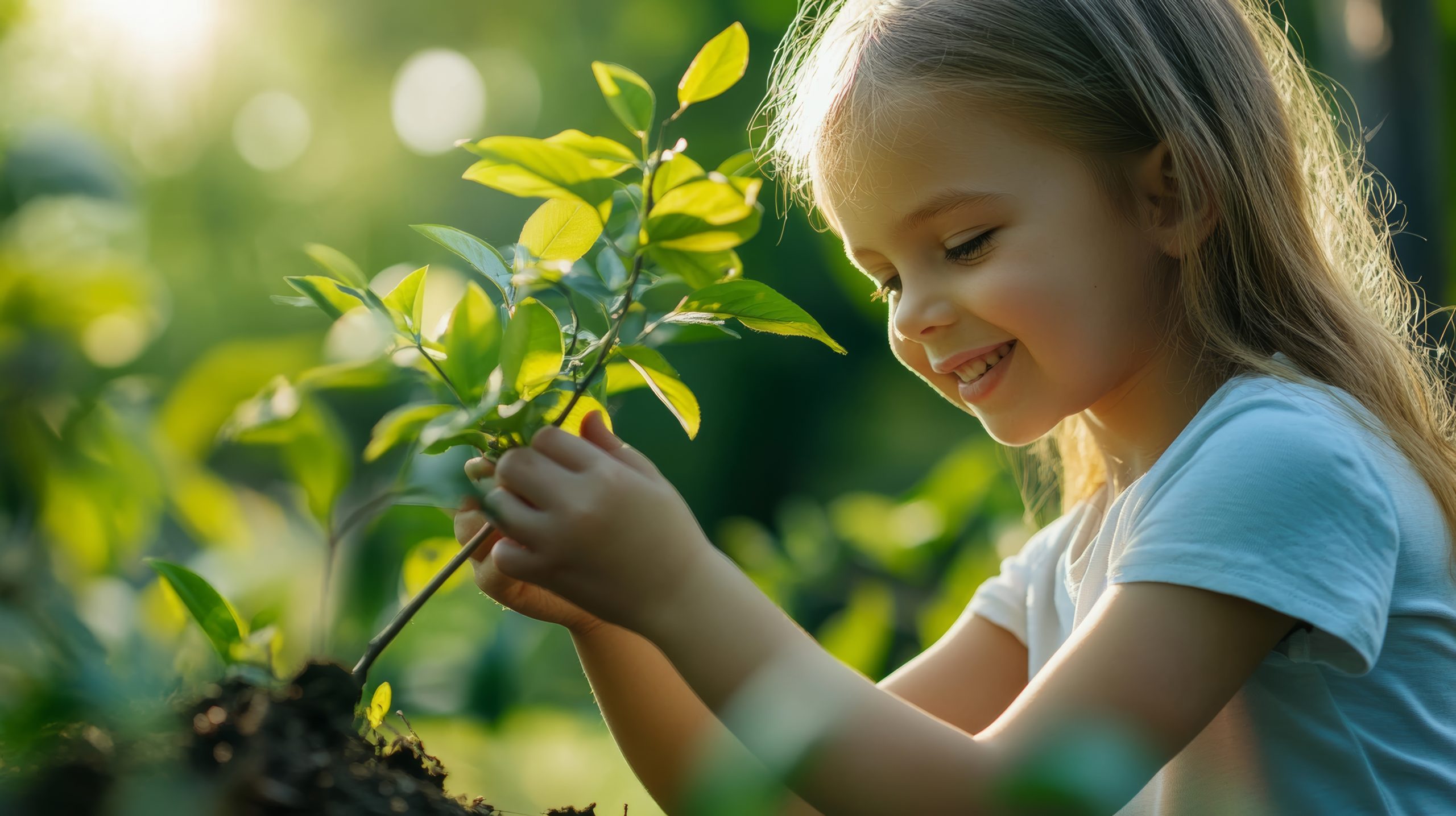
Outdoor play, gardening, and exploring nature are all key parts of holistic parenting. Fresh air, sunshine, and unstructured playtime are proven to boost mood, immunity, and creativity.
Example: A family picnic at the park where kids run barefoot in the grass.
4. Screen-Free Development
Holistic parenting values real-life experiences over screen time, especially in early childhood. Activities such as puzzles, art, building blocks, and imaginative play naturally help develop cognitive and social skills.
Example: A screen-free afternoon spent on activities like finger painting, sensory play, or baking together.
5. Emotional Wellness & Self-Care
Children learn by example. Holistic parents show the importance of self-care and emotional regulation by practicing it themselves. Breathing exercises, gratitude rituals, and calm bedtime routines all make a big difference.
Example: Take a moment each day to share 10 deep, calming breaths with your child.
Why Holistic Parenting Matters
When we take a holistic approach, we’re not just raising kids who behave well or eat their veggies; we’re raising resilient, compassionate, healthy humans who understand how to care for themselves and the world around them.
Holistic parenting builds:
-
Strong family bonds
-
Emotional intelligence
-
Healthy lifestyle habits
-
A deep respect for nature and others
How to Start Holistic Parenting in Your Family
You don’t have to change everything overnight. Start with small shifts that feel doable:
-
Add one extra fruit or veggie to each meal.
-
Spend 20 minutes outside together daily.
-
Replace one TV show with a screen-free family activity.
-
Create a simple bedtime mindfulness ritual.
Holistic parenting isn’t about being perfect; it’s about being present and intentional.
